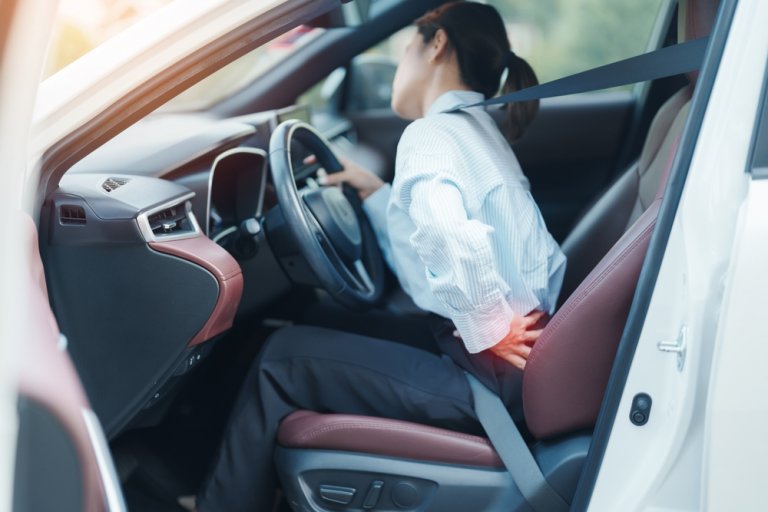
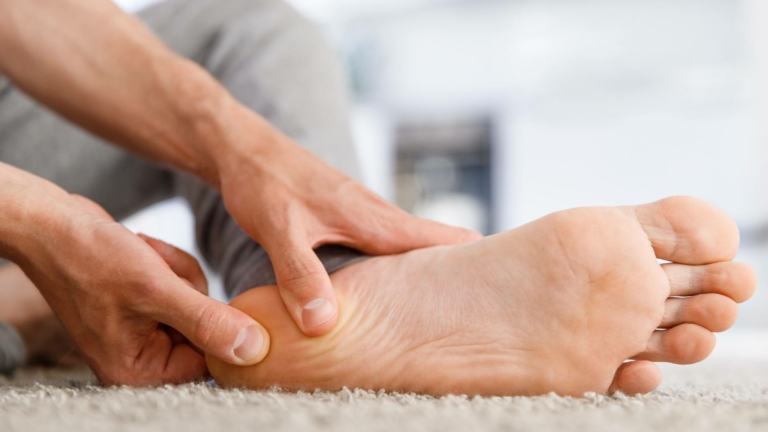
Hip wear is defined as wear of the cartilage that is located inside the joint and surrounds/protects the bones. It is a medical condition that most often occurs due to degenerative changes that occur in the body due to age.
Hip wear is defined as wear of the cartilage that is located inside the joint and surrounds/protects the bones. It is a medical condition that most often occurs due to degenerative changes that occur in the body due to age.
Hip wear is defined as wear of the cartilage that is located inside the joint and surrounds/protects the bones. It is a medical condition that most often occurs due to degenerative changes that occur in the body due to age. It also occurs as a result of traumatic injury (such as a fracture) that involves damage to cartilage, genetic predisposition, and being overweight (increased load on the joint).
When wear advances, it is felt as sharp pain, reduced range of motion, reduced mobility, decreased muscle strength, and a feeling of stiffness in the joint.
The hip joint is one of the largest joints in the body, connecting the pelvis to the thigh bone. The joint is anatomically structured to allow a large range of motion while simultaneously ensuring stability during movement and load transfer.
Static stability in the hip joint is additionally provided by the ligaments that surround it, while dynamic stability is provided by the muscles that perform the movement. Did you know that articular cartilage does not have a blood supply?
This means that it does not regenerate in the same way as other tissues, but regenerates with the help of synovial fluid.
Synovial fluid supplies the cartilage with nutrients, enables easier joint movement, and reduces the friction that occurs within it.
Patients with hip wear most often report symptoms that only worsen and increase as the disease progresses:
Symptoms of hip wear are reduced with rest, which over time leads to a decline in muscle mass (increasing the chance of falls and injuries).
Did you know that weather changes affect pain perception in patients with hip wear? Patients with hip wear report worsening pain when the weather changes.
Hip wear and tear most often occurs due to:
Comprehensive treatment at Medicofit physiotherapy clinic, Ljubljana, consists of different phases that are closely connected to each other – it begins with a diagnostic examination, acute physiotherapy, and continues with post-acute kinesiology and a post-kinesiology programme.
We perform active physiotherapy, where each patient is actively involved in their comprehensive treatment process, which is continuously adjusted according to the patient’s progress.
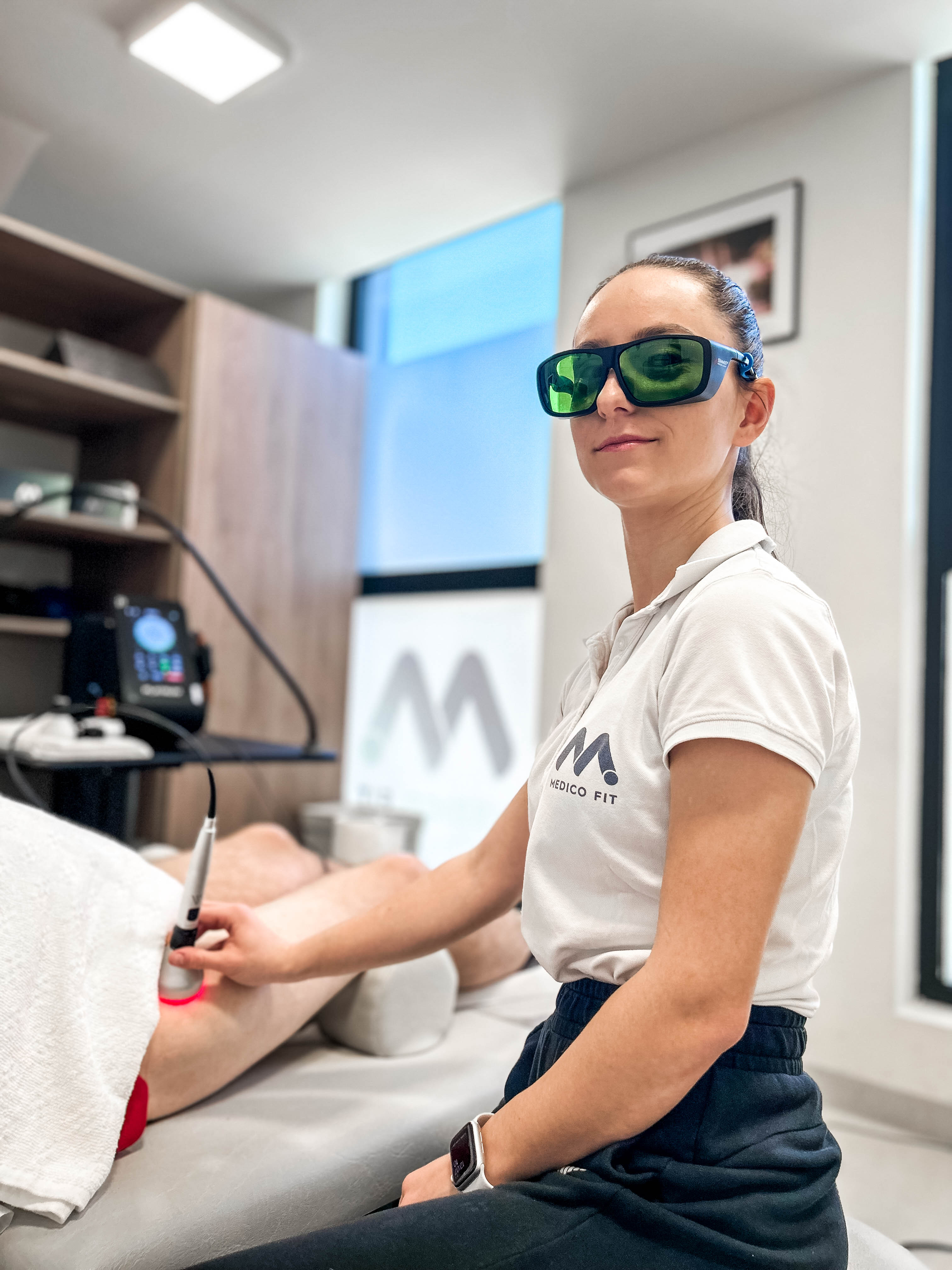
Treatment begins with a diagnostic examination, where the physiotherapist diagnostician gathers information about the medical history, duration of the problem, and degree of hip wear.
First, we conduct an initial interview (in-depth medical history), where we enquire about the history of your problems, the duration of the pain, any genetic predisposition, and the presence of other diseases.
This is followed by a clinical examination, where a physiotherapist diagnostician performs inspection and palpation (temperature, colour, skin perspiration, potential swelling, inflammation, or loss of muscle mass).
Passive mobility measurements are performed, where the movement is performed by the diagnostician, as well as active mobility measurements, where the movement is performed by the patient.
We perform muscle strength tests, which provide information about muscle strength and endurance, as well as ratio in muscle function.
During the examination, we perform specific tests, assess the load-bearing capacity of the hip (the ability of the hip joint to bear load) and the functional movement patterns.
Diagnostic imaging, such as X-rays or magnetic resonance imaging, is recommended to show the degree of wear, narrowing of the joint space, the formation of bone outgrowths, and changes in the bones.
Based on the diagnostic report, we prepare a physiotherapy programme specifically tailored to the patient.
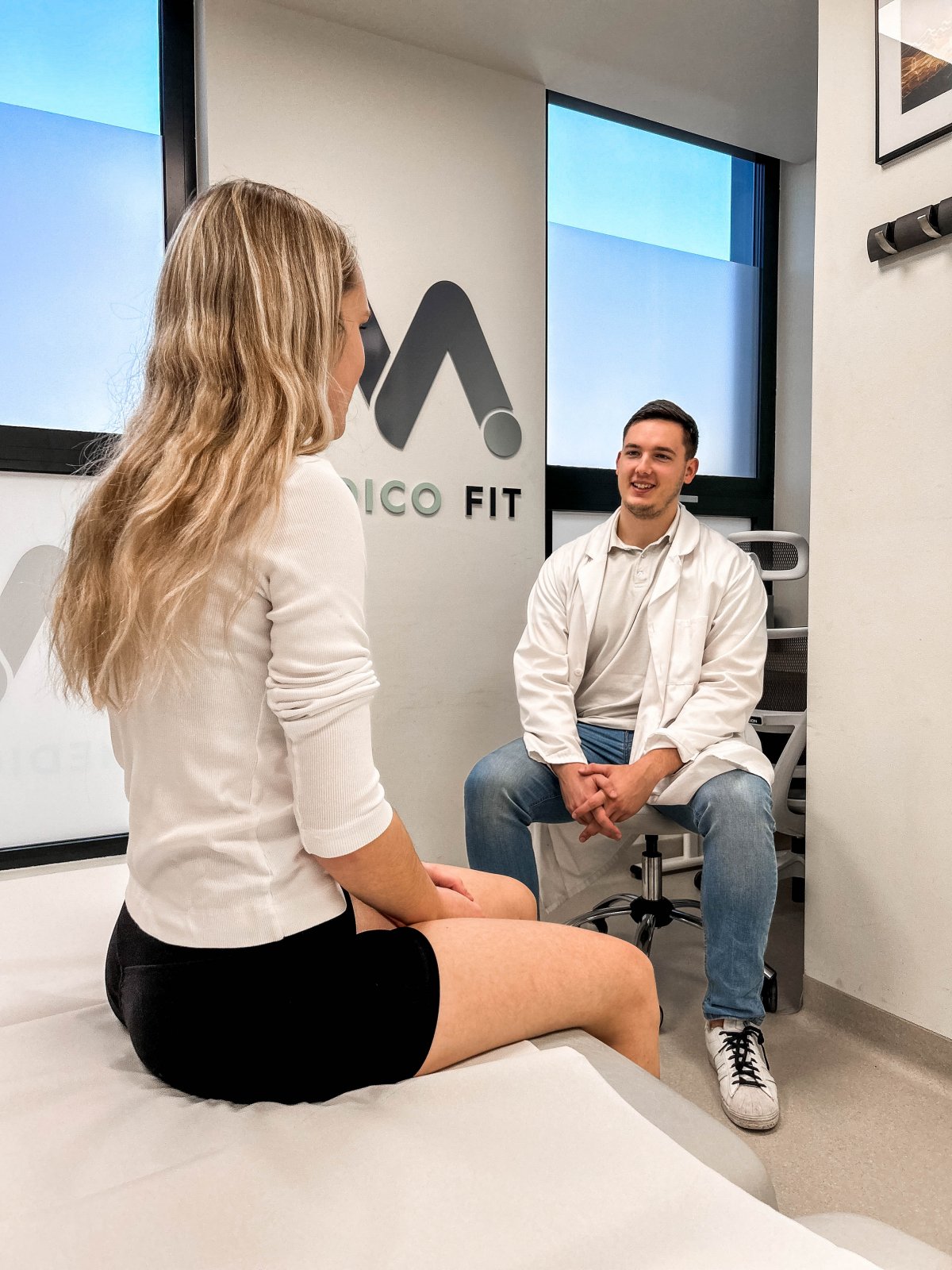
In the primary phase of treatment, physiotherapy experts focus on preventing the progression of wear in the hip, reducing pain, and increasing mobility and flexibility.
We perform manual therapy, joint mobilisation (to increase range of motion and effective joint sliding), and trigger point therapy (to reduce muscle tension).
The use of state-of-the-art instrumental devices has an effective and long-term beneficial effect on the body. In their work they use:
In combination with manual therapy and instrumental therapy, special physiotherapy training is performed to improve muscle strength, increase joint mobility, and improve proprioception (spatial perception).
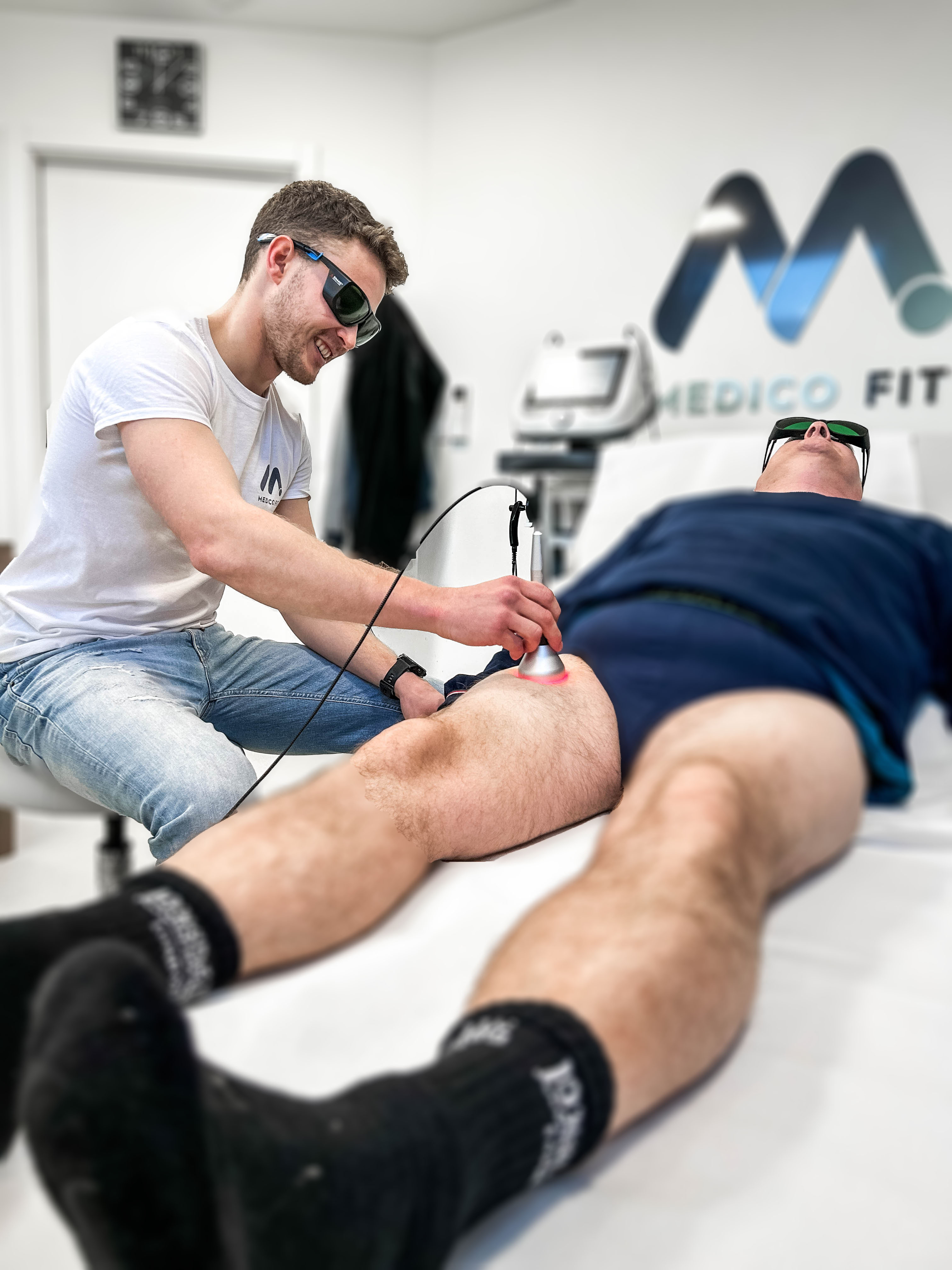
After successful completion of acute physiotherapy treatment, you will be referred to kinesiology experts who will guide you to excellent physical fitness.
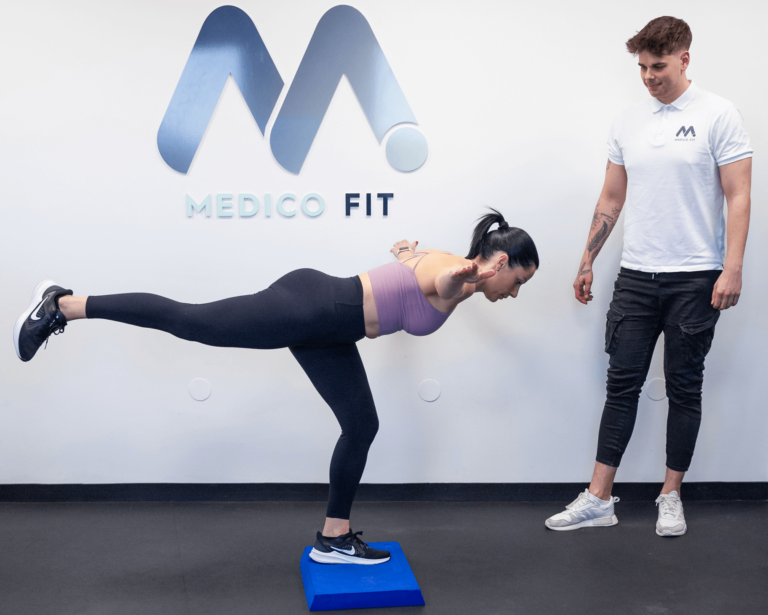
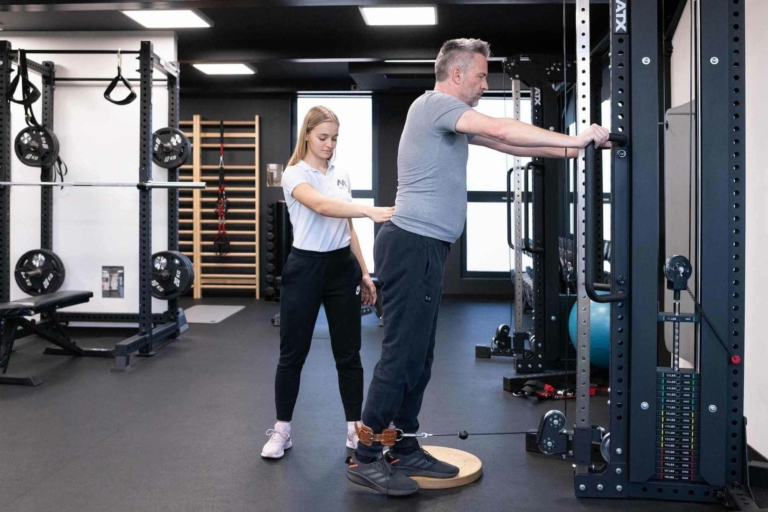
Kinesiology experts prepare a special kinesiology programme that prepares your body for everyday tensile stresses, establishes proper postural control, and improves the biomechanics of walking (more correct transfer of forces and body weight!).
By increasing mobility and strengthening the muscles of the hip joint, joint stability, mobility and flexibility are improved, meaning that there is less chance of hip pain returning or occurring!
General strengthening of the body actively prevents the occurrence of new injuries (with age, the likelihood of osteoporosis in the bones increases, leading to falls and potential fractures).
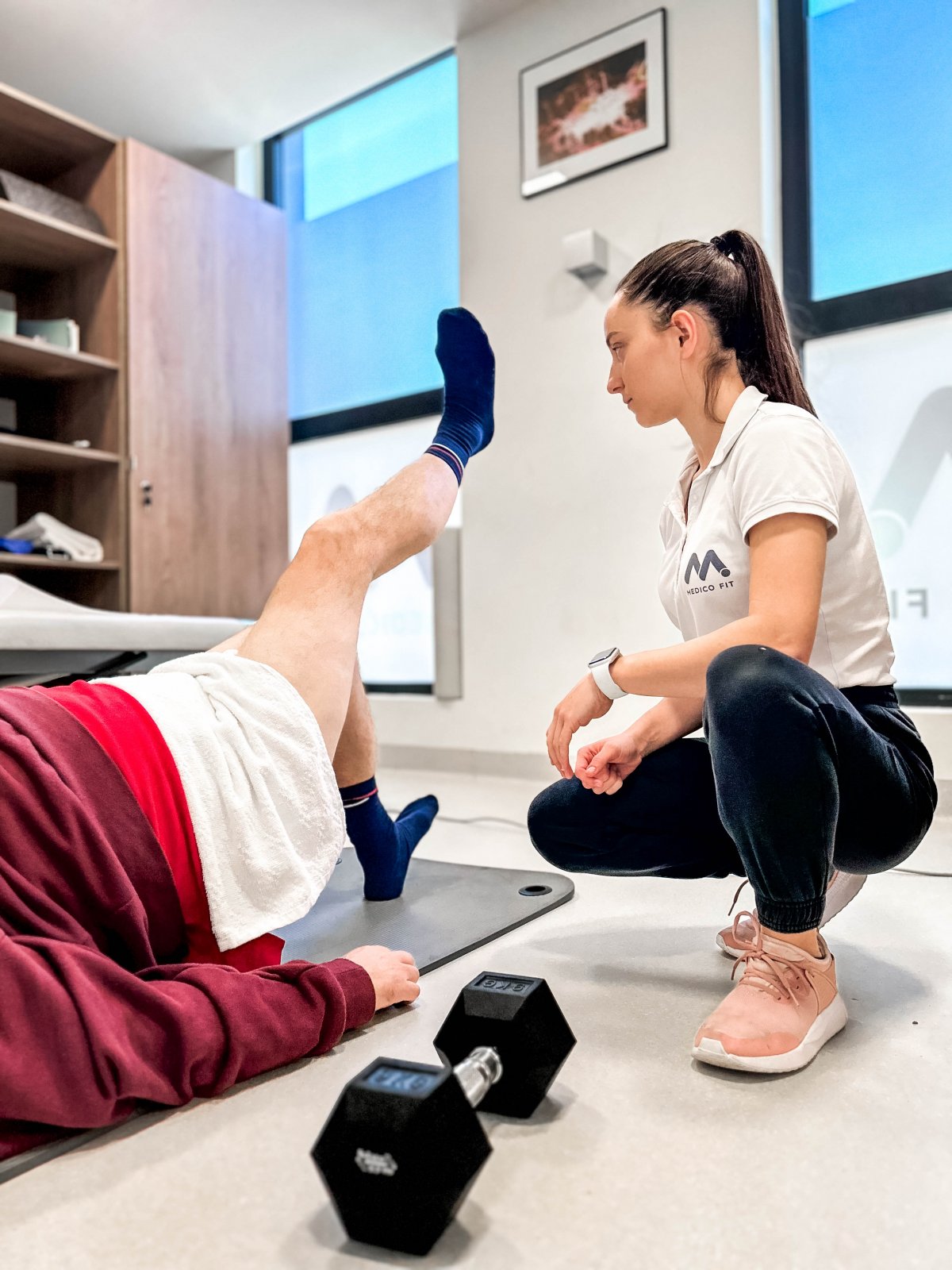
The advanced stage of hip wear is an indication for surgical treatment, where orthopaedic specialists perform a partial or total hip endoprosthesis.
Physiotherapy treatment is crucial in the preoperative and postoperative phases of rehabilitation.
Before the surgery, physiotherapy experts prepare you for the surgery by strengthening your muscles and increasing your range of motion due to the drastic reduction immediately after surgery.
After surgery, physiotherapy treatment lasts 9–12 months, during which the initial phase includes symptom control (reducing pain, swelling and inflammation, increasing muscle strength and mobility), learning to walk and establishing the biomechanics of walking. A progressive specialised training regimen is also started.
The most important recommendation is low-intensity training, stretching, and daily movement.
Physical training will maintain bone density, strengthen the muscles around the hip joint, improve mobility and coordination, help you fall asleep faster in the evening, and improve your weight.
To reduce pain, use cold (cryotherapy) and heat (thermotherapy).
If you are overweight, it is recommended to reduce your daily food intake and go on a diet.
The main symptoms of hip wear include: sharp pain during activities, altered dynamics of walking, significant loss of muscle strength, reduced mobility and range of motion in the joint, and general pain in the area between the lumbar spine and the knee.
In such cases, comprehensive treatment is divided into two main phase – the primary phase and the secondary phase. The primary phase encompasses acute physiotherapy, which focuses on prevention and pain reduction. The secondary phase encompasses kinesiology, with the main goal of increasing mobility, stability and flexibility, and preventing the recurrence of pain.

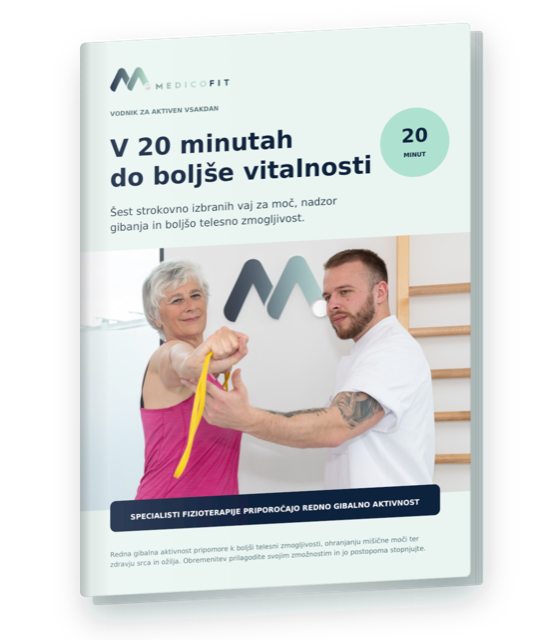
Prenesite brezplačni priročnik in prejmite darilo. Priročnik prejmete takoj na svoj e-naslov, za darilo pa vas bomo osebno poklicali.
Darilo velja za nove stranke Medicofit in ga prejmete ob osebnem klicu na vpisano telefonsko številko.