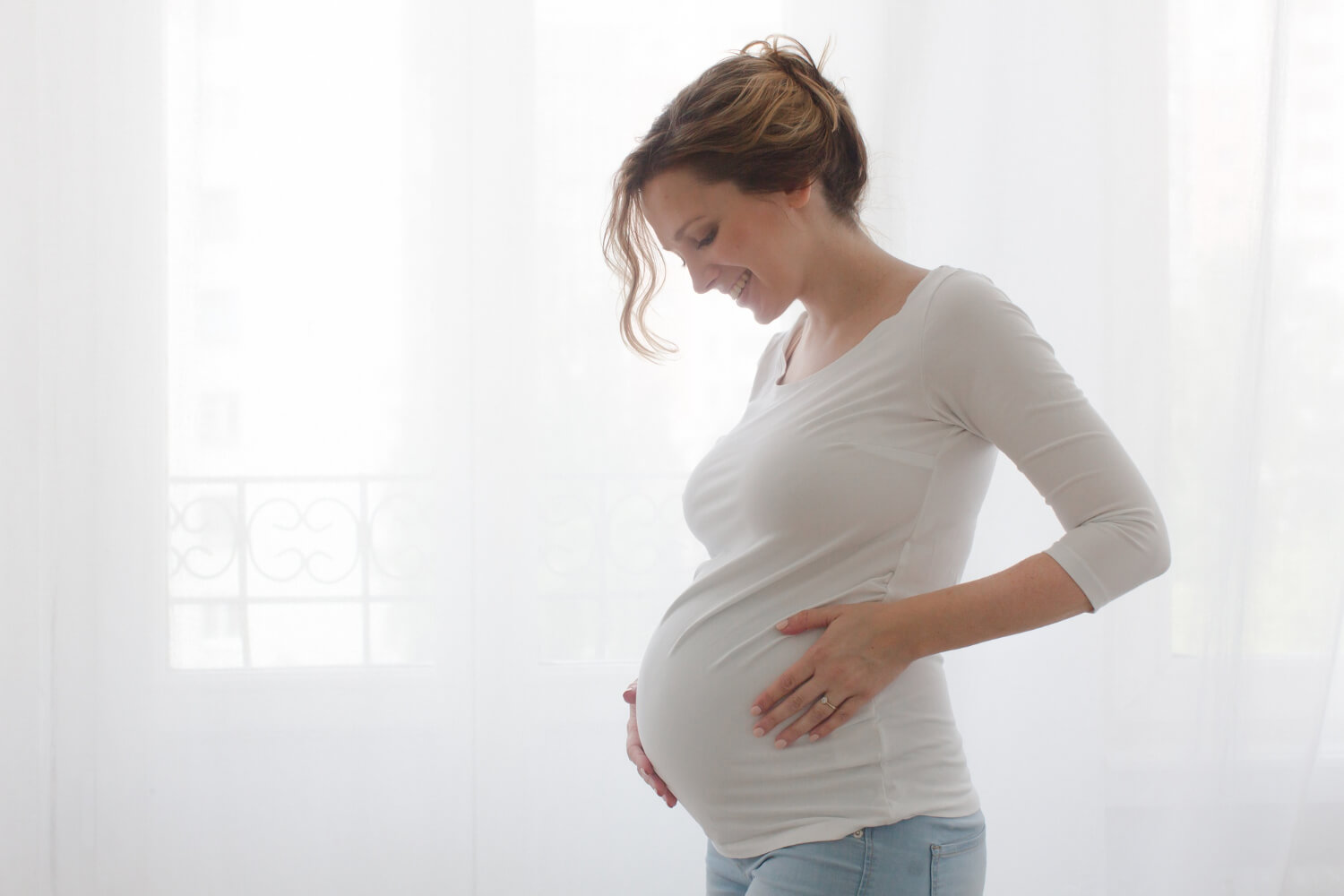
Pregnancy is a stressful time for women, full of changes that increase the risk of urinary incontinence, back pain and rectal diastasis. Pregnancy is also often accompanied by damage and weakness of the pelvic floor muscles.The cause of these problems during pregnancy lies in hormonal changes,
60-70% of pregnant women are affected by low back pain and lumbar spine pain, which most often occurs after the 3rd month of pregnancy. Rectus distension occurs in almost all pregnant women and between 30 – 68% of all women have abdominal wall spacing after pregnancy.
The cause of these problems during pregnancy lies in hormonal changes, especially the release of the hormone relaxin, which prepares the woman for labour by relaxing the pelvic ligaments and softening and dilating the cervix. The effects of relaxin are looser and more elastic connective tissue not only in the birth canal but also in the joints of the pelvis and spine.
Another common cause of low back pain during pregnancy is a change in posture due to a forward shift of the centre of gravity, which means greater forces in the lumbar spine and longer lasting loads on the extensors of the spine.

The effects of relaxin can be felt for up to 6 months after pregnancy, which means that the spine needs to be prepared for a period of almost a year and a half of hormonal changes and altered body posture. Preventive physiotherapy for pregnancy also includes exercises to strengthen the pelvic floor muscles to reduce symptoms of urinary incontinence. At Medicofit, we start preparing the pelvic floor and spine with special preventive exercises in the first trimester of pregnancy.
It is important that the pregnant woman has a diagnostic spinal examination early enough to assess the risk of back and buttock pain. If risk factors for low back pain are present, a special programme to increase endurance in the strength of the muscles that stabilise the core of the body, the hips and allow for an upright posture is carried out.
As a woman gains between 10 and 15 kg during pregnancy, preventive physiotherapy is aimed at increasing the weight-bearing capacity of the entire spine, hips and knees.
Stretching and relaxing the muscles is not enough to provide quality prevention for pregnant women, the muscle groups of the pelvis and spine need to be adequately strengthened and risk factors, if present, need to be addressed. The high prevalence of back pain among pregnant women (60-75%) is also due to a lack of understanding of specific preventive exercise for pregnant women, which too often includes Pilates, yoga and stretching, and in most cases omits a proper programme to prepare the spine for the stresses of pregnancy.


Urinary incontinence often cannot be completely eliminated, even with the right exercises, but it can reduce the intensity of symptoms during pregnancy and problems after childbirth. In Slovenia, 1/3 of pregnant women experience symptoms of urinary incontinence, so awareness of proper prevention is important.
During labour, high pelvic floor stresses occur, causing micro-damage to the pelvic floor musculoskeletal connective tissue and affecting the activation mechanism, which results in loss of control over urinary retention.
Early in labour, a diagnostic examination is recommended to assess the strength of the pelvic floor muscles and to develop a preventive programme. It is important that targeted pelvic floor strengthening incorporates core exercises and is performed in a strength endurance training regime.

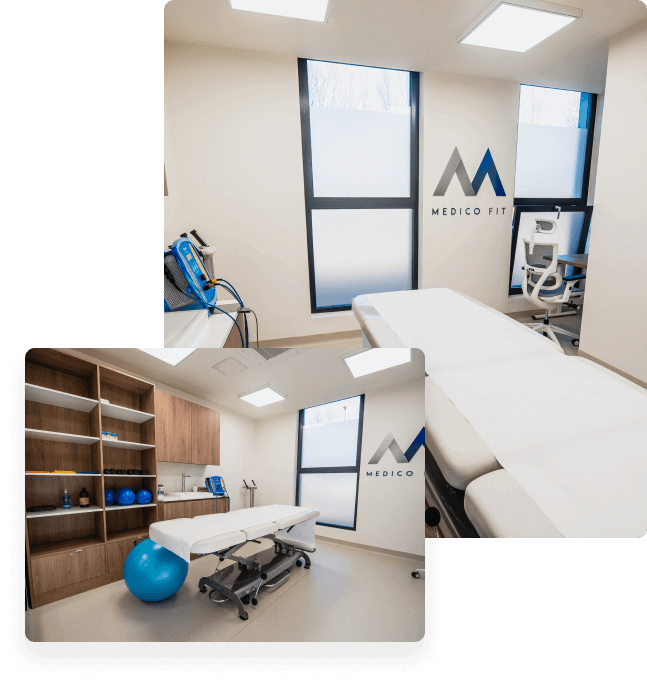
In the case of low back pain, TECAR therapy is used to provide analgesic and anti-inflammatory effects, and the therapy is pleasant for the pregnant woman, who feels it as a localised increase in warmth. Often, pain is accompanied by limited spinal mobility, which is restored with joint mobilisation exercises.
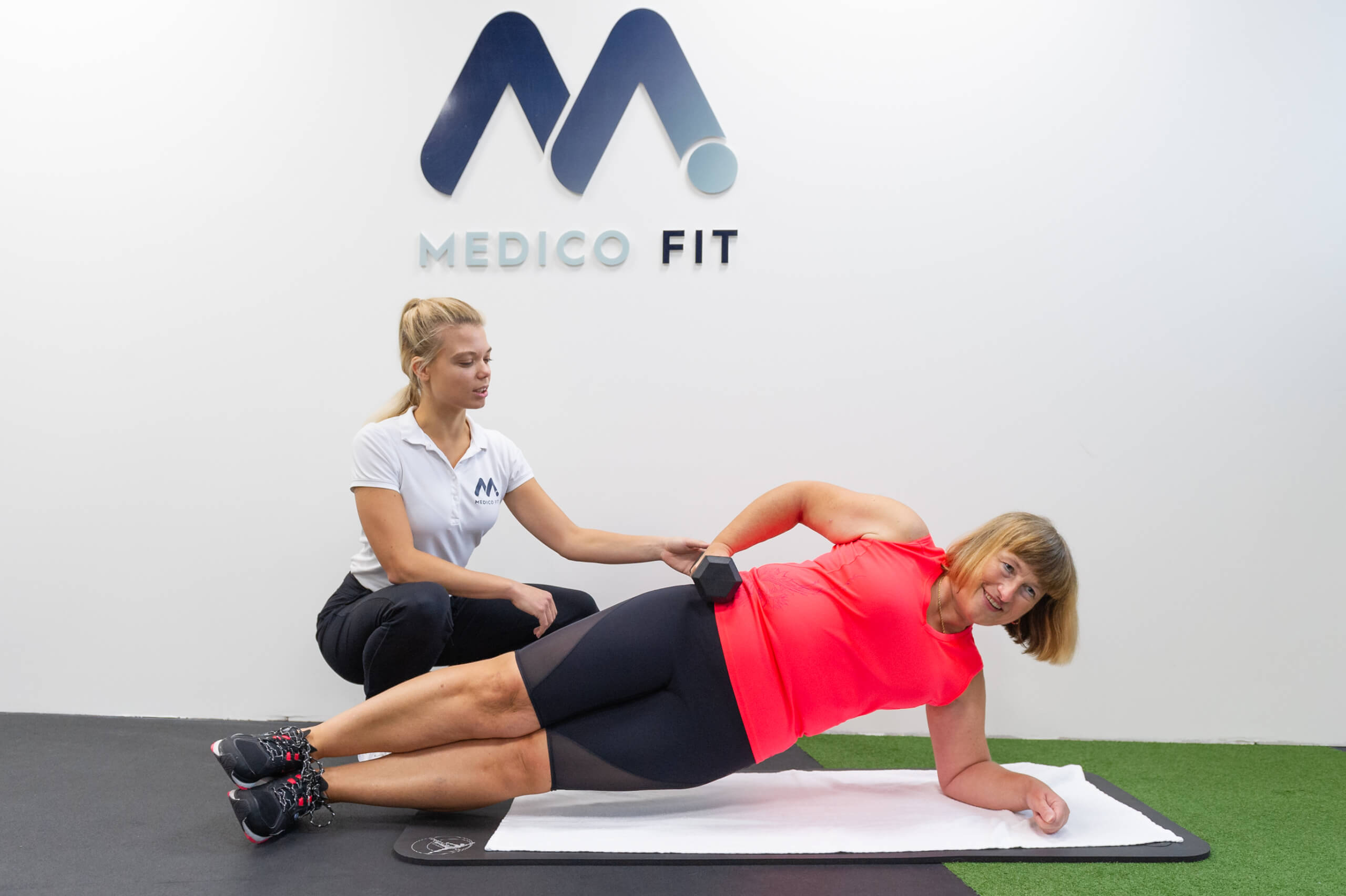
Once the pain has been successfully reduced, isometric strength exercises for the sacroiliac joint and lumbar spine are started and the load capacity of the back is gradually improved.
Physiotherapy is also advised for pregnant women with asymptomatic spine and in the absence of urinary incontinence at least 1 x weekly throughout pregnancy.

Prenesite brezplačni priročnik in prejmite darilo. Priročnik prejmete takoj na svoj e-naslov, za darilo pa vas bomo osebno poklicali.
Darilo velja za nove stranke Medicofit in ga prejmete ob osebnem klicu na vpisano telefonsko številko.