Are you experiencing a burning pain in your lower back that radiates through your buttocks all the way to your toes? Is walking becoming more difficult and your every step harder? Sciatica is a set of symptoms that cause neurological deficits in the lower back and lower extremity. Learn how modern physiotherapy treatment for sciatica successfully prevents the need for surgery.
Sciatica is a common problem that affects half of all people at least once in their lives. It is a pain in the lower back that results from compression or irritation of the sciatic nerve – the largest nerve in our body. This pain can spread from the lower back, through the buttocks, all the way to the toes. Although sciatica often begins as a mild discomfort, it can quickly develop into severe and limiting chronic pain that makes even simple activities impossible.
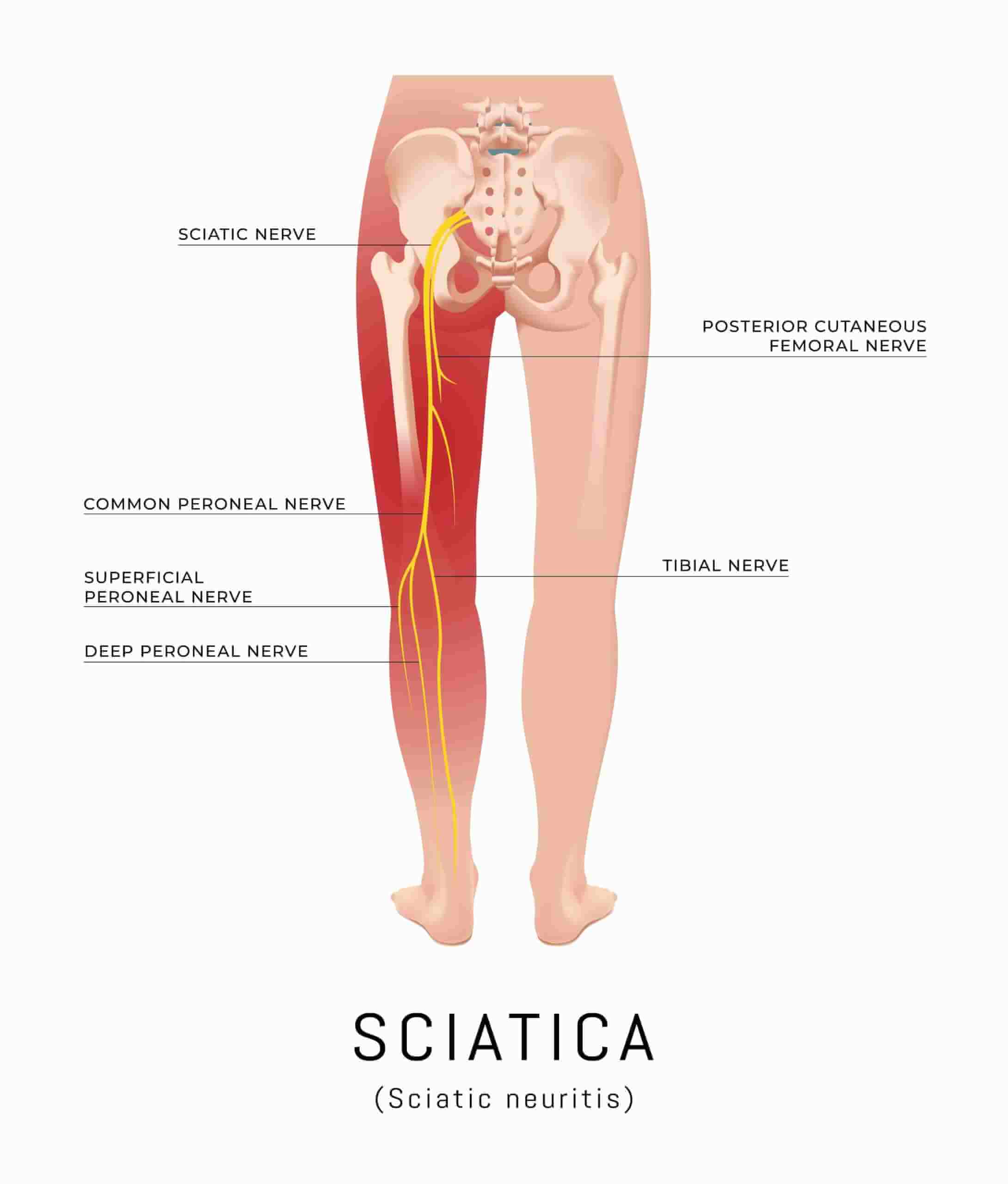
The sciatic nerve (nervus ischiadicus) is the longest and thickest nerve in our body, its nerve roots originate in the lumbar spine, running through the pelvis to the feet on both sides of the body.
The sciatic nerve is a sensory and motor nerve, which means that it transmits messages about sensation on the skin (the entire back of the leg, the outside of the foot, the sole of the foot) and about movement of the muscles of the lower body (hip, knee, ankle, foot). The location of the nerve compression causes sensory and motor function loss of various parts of the lower body.
Sciatica is a term for a group of symptoms caused by compression of the sciatic nerve (nervus ischiadicus).
The typical symptoms of sciatica are acute and stabbing pain that radiates from the lumbar spine through the buttocks down the back of one or both legs. Isolated pain exclusively in the leg or legs is also present. Sciatica usually affects only one side of the body.
Sciatica symptoms vary in intensity depending on the location and the degree of the sciatic nerve compression. The most common sensations are:
Weakness in the affected lower extremity and difficulty moving the leg and foot are typical symptoms, which, as mentioned above, can progress to major neurological pathologies in later stages.
Progressive forms of sciatica symptoms can lead to foot drop or loss of neurological function of the foot.
Severe compression of the sciatic nerve causes bladder problems, leading to urinary incontinence or difficulty urinating.
Did you know that sciatica rarely occurs before the age of 20, and most often occurs between the ages of 40 and 50?
WHEN TO OPT FOR MEDICOFIT DIAGNOSTIC THERAPY?
At Medicofit clinic, we provide patients with scientifically supported specialist physiotherapy for herniated disc, which begins with booking a diagnostic therapy appointment.
Make an appointment for low back pain treatment
Sciatica occurs when the nerve roots of the sciatic nerve become compressed due to various factors:
The true cause of sciatica is determined during the initial diagnostic examination, which is the basis for determining an individualised treatment programme for sciatica pain.
The main risk factors for developing sciatica symptoms and pain are:
If you do a lot of sitting, have a history of sedentary work, and do not maintain your spine with special training, you will likely face sciatica in the near future.
At MEDICOFIT clinic, we believe in comprehensive treatment, so we guide you from diagnostics and physiotherapy to kinesiology.
The comprehensive treatment of sciatica symptoms and causes depends on the type and progression of the degeneration causing the symptoms.
It is important to realise that sciatica is not a disease, but just a name for the symptoms that accompany degenerative changes in the spine, which in the initial stages are treated with manual therapy, instrumental physiotherapy and therapeutic training.
Surgical treatment is performed when conservative therapy does not significantly improve the patient’s symptoms and quality of life within a period of three to six months.
There are also some indications (cauda equina syndrome) for immediate surgery.
Most patients alleviate their sciatica symptoms with an appropriate physiotherapy programme that focuses on learning proper training techniques, strengthening the core, and controlling pelvic movement.
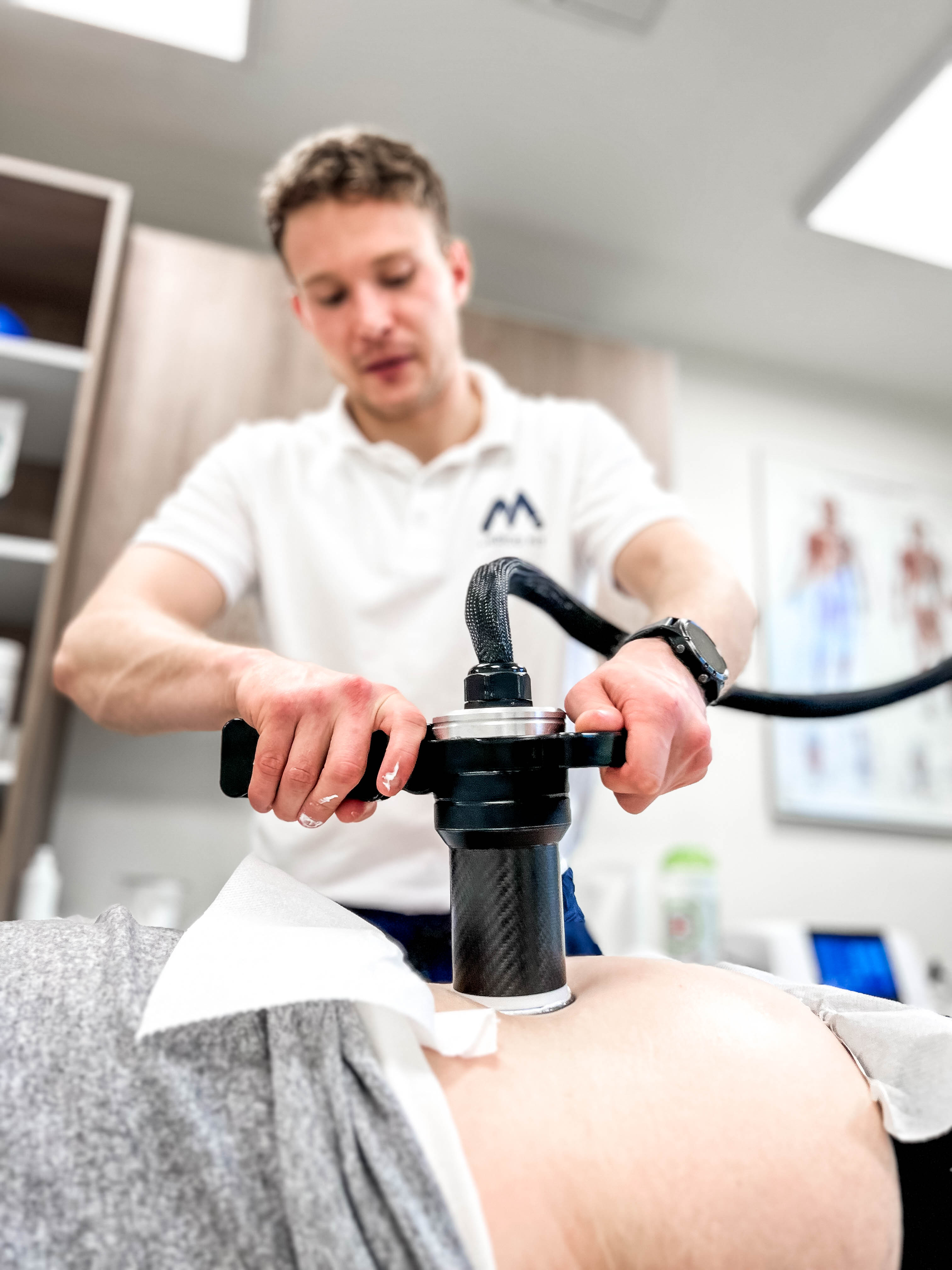
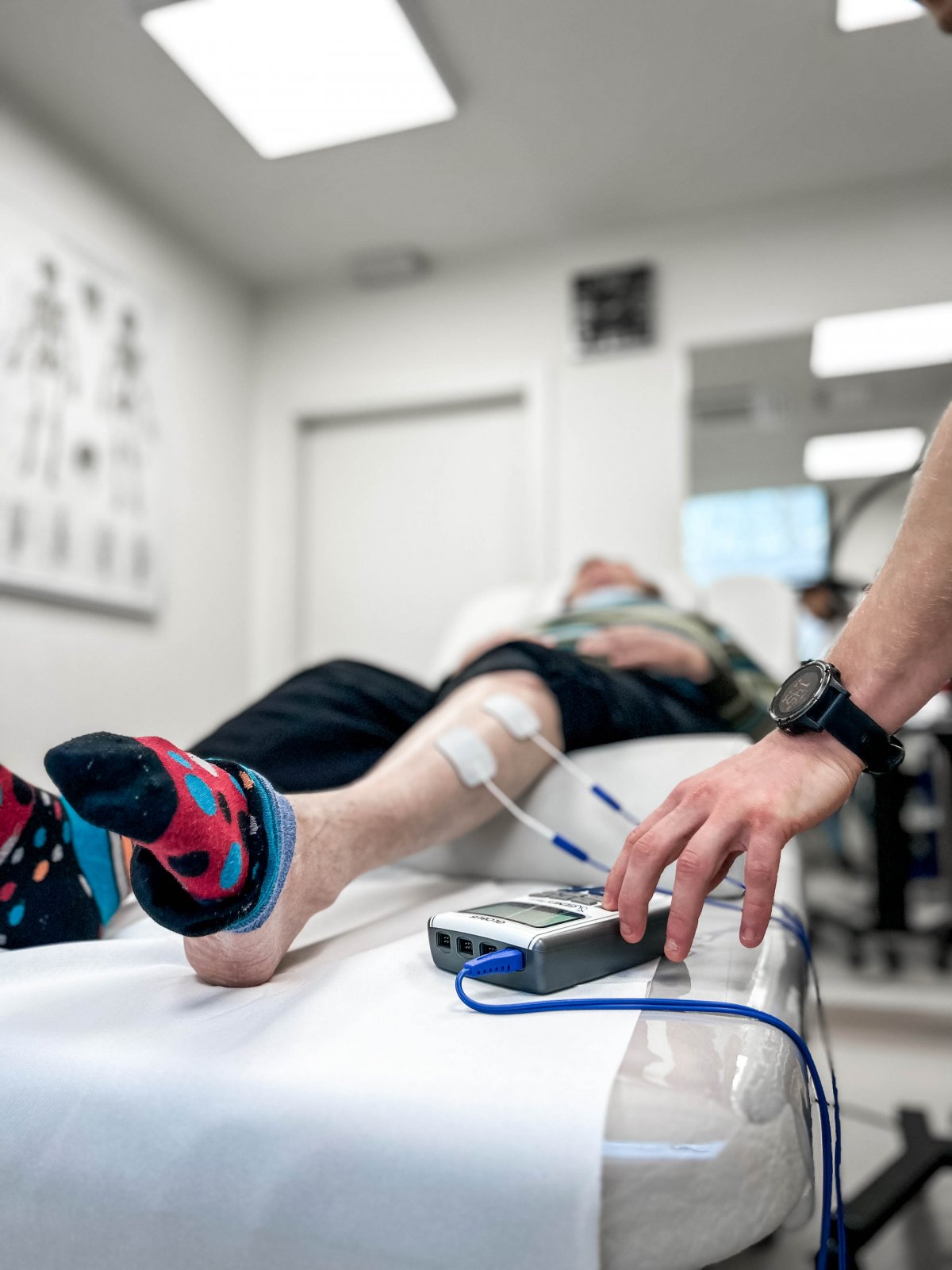
Every physiotherapy treatment for sciatica at Medicofit clinic begins with a special diagnostic therapy that provides insight into the patient’s body, the cause of sciatica, and all the symptoms and limitations it has caused.
The initial part of the examination consists of an interview (anamnesis) about the history of the disease, its first occurrence, the duration of the problems, when the pain worsens, personal risk factors, any family history of the disease, and a subjective assessment of the level of pain using the VAS scale (0–10).
The diagnostic examination continues with a physical examination, which consists of inspection and palpation, where the colour, temperature and perspiration of the skin are assessed, as well as any swelling or visible muscle atrophy.
Mobility and arthrokinematic measurements are performed, as well as muscle strength measurements (obtaining information about the presence of possible muscle deficits and deviations from norms).
We assess the level of load-bearing capacity of the spine, the present functional movement patterns of the body, and the biomechanics of walking.
We assess sensory perception (skin sensation) and perform reflex tests (abnormal reflexes indicate nerve damage or compression).
We perform specific tests that are specialised in testing certain structures (e.g. straight leg raise test).
In certain cases, diagnostic imaging, such as X-ray and magnetic resonance imaging, is recommended.
Based on the diagnostic report, an individualised comprehensive treatment programme is prepared, consisting of specialised physiotherapy and the kinesiological part of rehabilitation.
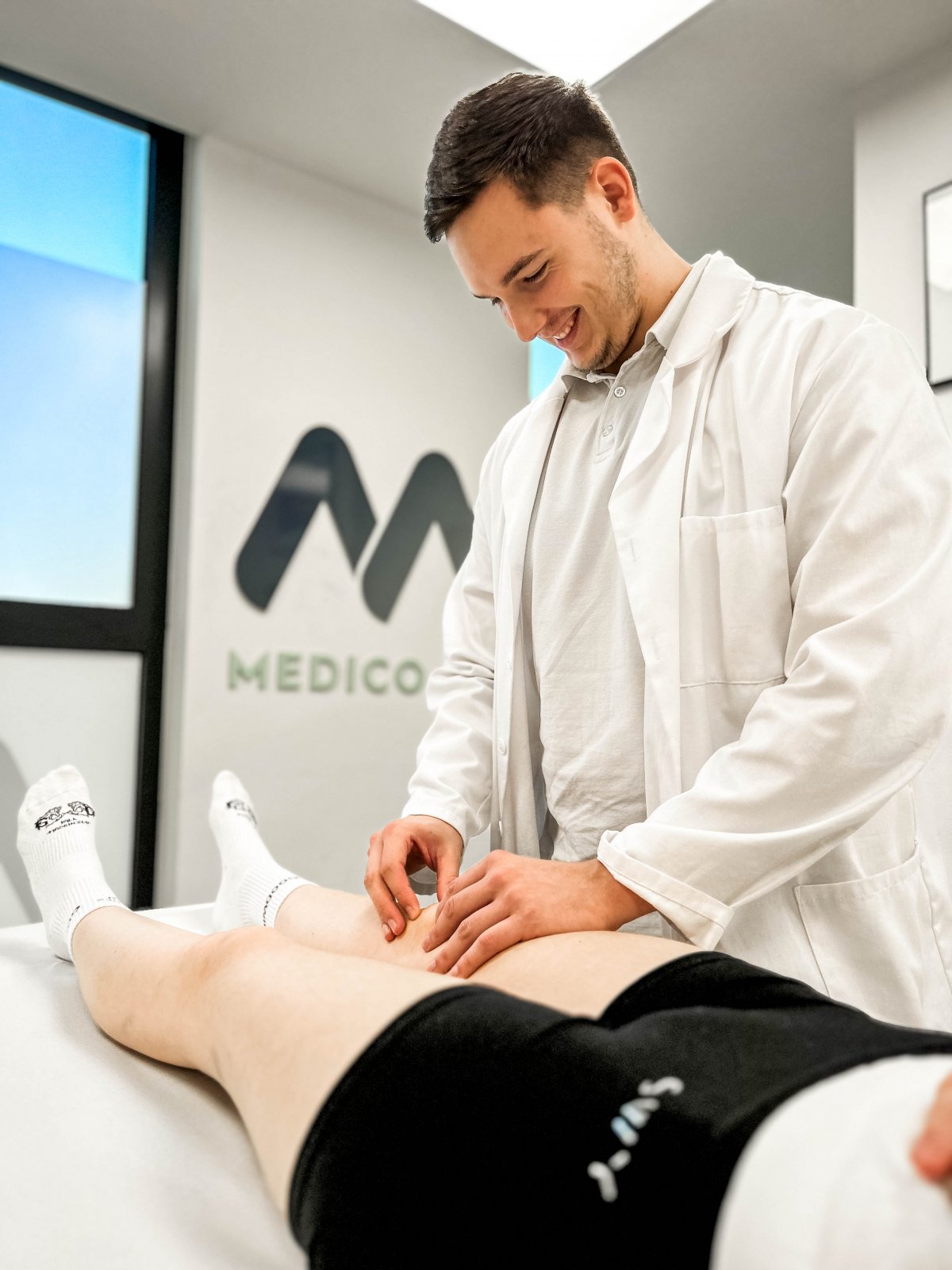
In the acute phase of physiotherapy for sciatica, we focus on controlling symptoms, where we reduce pain, reduce inflammation, and increase range of motion and muscle strength.
Physiotherapy experts use manual therapy, joint mobilisation, trigger point therapy, and myofascial release in their work to reduce muscle tension in the spinal and gluteal musculature. This also increases range of motion and reduces sciatica pain.
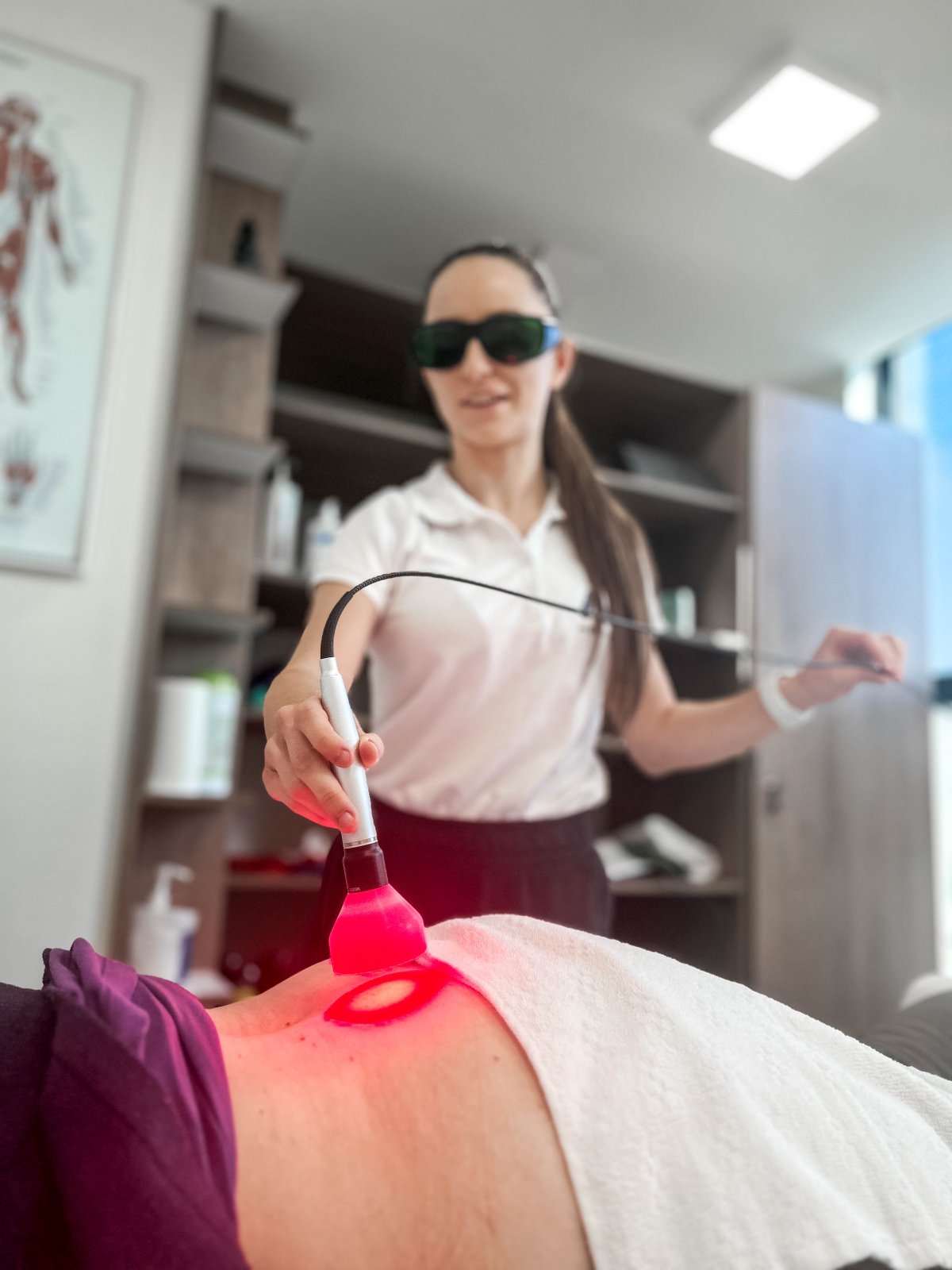
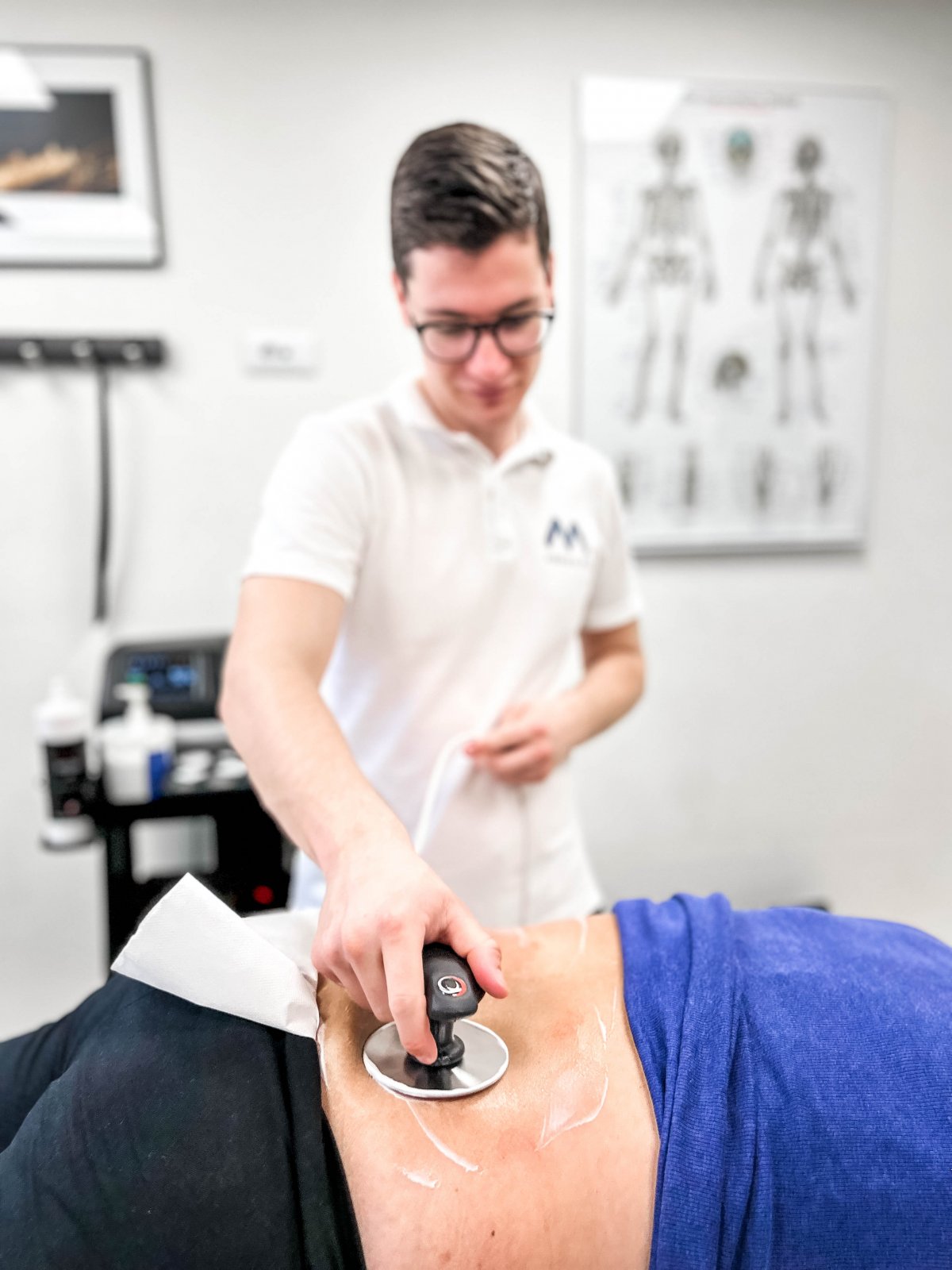
Manual therapy for sciatica is performed in combination with instrumental physiotherapy for sciatica, which uses state-of-the-art devices for faster tissue healing, acceleration of cellular metabolism, and active reduction of sciatica pain. In our work we use:
We perform specialised therapeutic training for sciatica, where we activate and strengthen the deep stabilisers of the trunk, spinal muscles and the musculature around the hip.
This develops stability in the lumbar region of the spine and reduces sciatica pain in basic spinal movements. We gradually progress training with the lumbar spine flexion movement pattern, as this adapts the spine to the loads when bending the back.
We conduct special training for sciatica, strengthening spinal patterns in the direction of anti-lateroflexion and anti-rotation. We focus on increasing the load-bearing capacity of the spine.
We perform neurodynamics and neuromobilisation training to improve sciatic nerve conduction, improve mobility of the spine and lower extremities due to neurological deficits.
Our physiotherapy experts will teach you how to help yourself and how to properly modify your activity when suffering from sciatica.
DANGERS AND PITFALLS OF DELAYED REHABILITATION

Medicofit specialists
Inadequate or delayed rehabilitation seriously jeopardises an individual’s long-term physical health and is the main culprit for unsuccessful results and permanent movement limitations.
The last phase of comprehensive treatment includes the kinesiology part, where kinesiology experts guide you to excellent physical fitness.
Specialised kinesiology training for sciatica further strengthens the deep stabilisers of the trunk and musculature surrounding the hip. We actively increase the load-bearing capacity of the spine to normative standards.
After establishing stability in the lumbar region of the spine, we focus on optimal mobility and muscle control of the pelvic ring in all positions and increasing the muscular endurance of the abdominal muscles.
Progressive training for sciatica (in both open and closed kinetic chains) is performed to strengthen both lower extremities and stabilise the hip, with the aim of improving overall muscle capacity and building symmetry.
Special training for sciatica gradually involves the injured area in more complex movement patterns, thereby gaining muscle strength and endurance.
We are gradually returning to performing basic exercises for the lower extremities and strengthening the entire body.
Before completing treatment, a biomechanical analysis of walking pattern and the application of a test battery are performed, which shows the patient’s motor efficiency and their readiness for everyday loads.
Because we believe in a comprehensive treatment, we successfully guide patients from sciatica to free movement without pain in the long term! We restore full strength, motor function and resilience to your spine!
WHY CHOOSE SPECIALIST PHYSIOTHERAPY TREATMENT??
Comprehensive treatment of sciatica at MEDICOFIT clinic is recommended by numerous renowned orthopaedic surgery specialists.
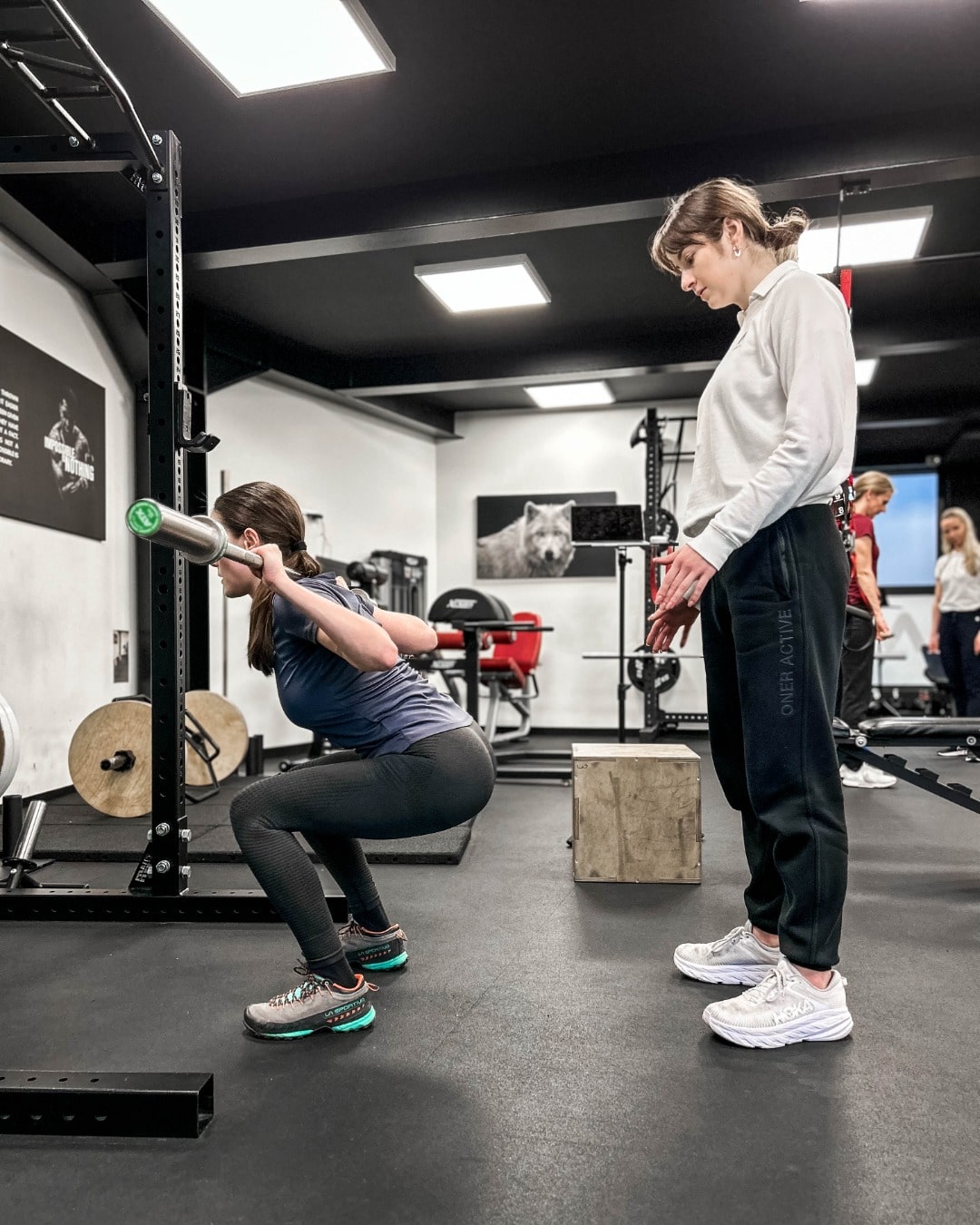
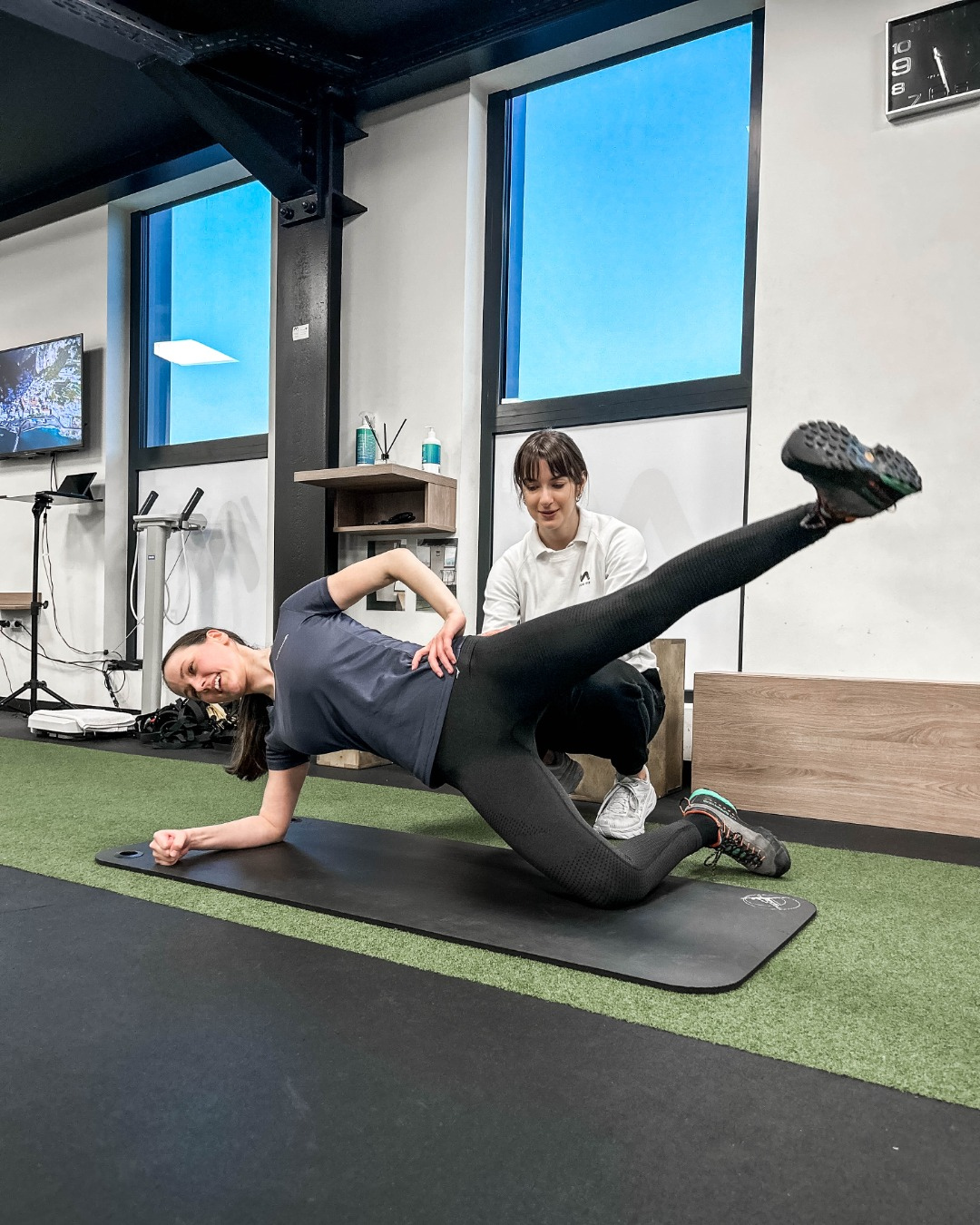

Below, we also present some effective exercises that you can incorporate into your routine to reduce discomfort and regain flexibility and strength in your spine and lower back. Performing these exercises correctly will help you improve your quality of life and prevent further injuries.
Important notice
• The exercise can be performed in numerous modifications and different load regimens; proper execution will be prescribed by a Medicofit physiotherapy specialist for low back pain rehabilitation as part of your comprehensive treatment.
• If you have hip problems, please book an diagnostic therapy appointment before performing the exercise. The exercise may also be contraindicated.
• Always do the exercise strictly according to the prescribed regimen and as demonstrated by the physiotherapy specialist for spine rehabilitation and disorders.
• We recommend the exercise as part of guided, comprehensive specialist physiotherapy for spine rehabilitation.
• If you perform the exercise independently without the supervision of a physiotherapy specialist, we are not responsible for potential symptomatic responses.
Exercise 2: Single-leg knee extensions in the hip-raised position + isometric abduction
Exercise 3: Internal rotations of the hip joint with added final abduction + rotation control
Symptoms of sciatica or pain occur suddenly, forcefully with a specific movement, with an aggressive pain response in the back, buttocks, and legs, or gradually due to the progression of degenerative changes in the spine. Sciatica can also occur without any pathological picture, in which case the pain will decrease quickly.
Sciatica is caused by a severe acute irritated condition. The pain is severe and may be accompanied by neurological symptoms in the lower extremities, such as tingling, numbness in the legs and feet, and sensations of hot or cold feet. In advanced stages of sciatica, sensory and motor disorders of the legs may also occur.
Sciatica is distinguished from normal back pain in that the pain spreads to the buttocks, hips, and down one or both legs. Sciatica is characterised by occurring on only one side of the body, although it can occur bilaterally in rare cases.
Sciatica can also occur in both legs, in which case it is usually a compression at the level of the lumbar spine in the form of a broad-based herniated disc or disc herniation, when the sciatic nerve roots are affected on both sides. Sciatica in both legs can occur when there are multiple associated pathologies of the lumbar spine, e.g. a herniated disc at two levels of the spine on different sides or a herniated disc with arthritic changes on different sides. It is also common to experience sciatica on both sides during an extremely severe acute condition.
Sciatica can occur with an “incorrectly” performed movement, even though it is not actually an incorrect movement. It involves poor activity of muscle groups at the moment of performing a movement with the probable presence of degenerative changes in the form of disc herniation or other pathologies. Often, “incorrect movement” is just the trigger for sciatica symptoms, with the problem being broader.
Sciatica can go pass quickly in some cases, within one week, although in most cases, symptoms persist for several weeks. Sciatica can persist for several months or years, depending on the individual’s approach. With proper physiotherapy and kinesiology, which we recommend for all patients with sciatica, the pain usually resolves completely within a window of 6 to 12 weeks.