Medicofit
Osteoporosis is a bone disease characterised by a progressive loss of bone mineral density and the organic network of the collagen structure, manifested as bone fragility.
Osteoporosis is a bone disease characterised by a progressive loss of bone mineral density and the organic network of the collagen structure, manifested as bone fragility.
People with osteoporosis have a higher risk of bone fractures, in particular fractures of the vertebrae of the spine, the hip joint and the forearm above the wrist are common. Typically, the diagnosis of osteoporosis is confirmed by an accidental fracture occurring after a slip or fall. While fractures of the hip and arm bones can be diagnosed quickly, vertebral fractures are less pronounced and are usually only detected in one third of cases.
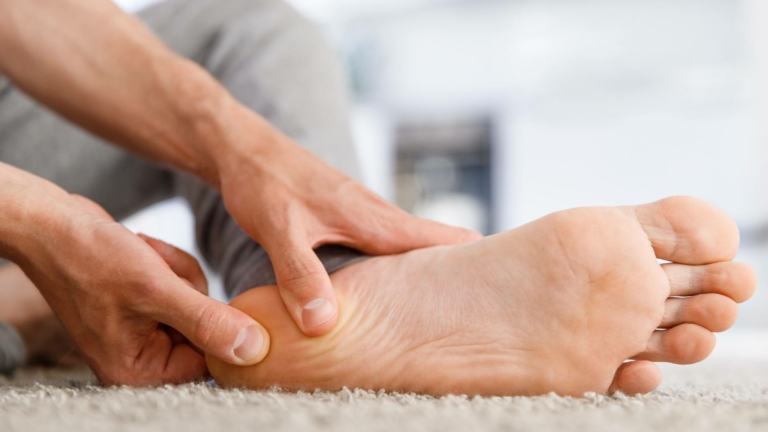
Symptoms of vertebral fractures of the spine include: a decrease in height of more than 3 cm, an increased hump in the thoracic spine (kyphosis) and pain in the thoracic and/or lumbar spine that occurs throughout the day, especially when carrying heavy objects or sitting for prolonged periods.
The process of thinning of the bone may go on quietly and without noticeable symptoms for many years, until bone fractures begin to occur, which markedly impair quality of life: pain, impaired mobility and difficulty in carrying out daily tasks. Osteoporosis can be very insidious, as we can see.
Although osteoporosis can occur early in life in rare cases, the first symptoms most often appear after the age of 50. During the first half of life, bone mass increases (most rapidly between the ages of 11 and 20), with peak bone density reached on average by the age of 25. After the age of 35, a slow decline in bone mass begins in both genders, which is accelerated in women during the first few years after menopause, mainly due to a decrease in the secretion of female related hormones. Osteoporosis is more common in women, with only one in five osteoporosis patients being male. The occurrence of osteoporosis in women before the age of 50 is associated with a lack of physical activity and an inappropriate dietary strategy.
The occurrence of osteoporosis is primarily influenced by factors beyond our control, namely age, gender and genetic material. In addition to these factors that influence the occurrence of osteoporosis, there are many that we have a direct influence on by controlling our lifestyle. Physical inactivity, smoking, excessive intake of alcohol and coffee and excessive intake of processed foods accelerate the loss of bone mineral density. Early osteoporosis can also be caused by under-secretion of gender related hormones and overactivity of the adrenal, thyroid and parathyroid glands.

The key to a diagnosis of osteoporotic bone is to start the patient on a specialised guided exercise programme that will slow the thinning of bone mineral density and maintain adequate muscle activity.
Osteoporosis management training includes exercises to improve active joint stability, exercises to teach pelvic awareness, maintenance of aerobic fitness and a progressive strength training programme comprising both isolation and more complex strength exercises.
A tailored strategy of nutritional supplementation is also recommended, as well as the elimination of factors that accelerate bone loss.




Prenesite brezplačni priročnik in prejmite darilo. Priročnik prejmete takoj na svoj e-naslov, za darilo pa vas bomo osebno poklicali.
Darilo velja za nove stranke Medicofit in ga prejmete ob osebnem klicu na vpisano telefonsko številko.