Facet arthrosis, or wear and tear of the spine, is a condition that affects the cartilage in the vertebrae and facet joints of the spine. Vertebral arthrosis causes degeneration of the intervertebral discs, which are located between the vertebrae. The degenerative changes that take place in the spine are primarily the result of ageing and cause chronic low back pain. It most commonly occurs in the cervical and lumbar spine.
Facet arthrosis is a condition that occurs because of several factors, such as age, gender, muscle capacity, physical inactivity, work environment, epigenetics and genetic predisposition.
Risk factors that cause inflammatory processes in the tissue and consequently weaken the structures in the spine.
Weakened muscular capacity of the spinal muscles results in increased stress on the spine, which is subject to additional daily forces. The area of the spine that is most stressed and bears the weight of the body is the most affected.
The spine is made up of 33 vertebrae, which run from the cervical to the pelvic region (where they are overgrown).
The intervertebral discs are located between the vertebrae and are made of a soft core and a fibrous shell. Their purpose is to transmit the daily forces and loads exerted on the spine.
The vertebrae have a large opening in the centre through which the spinal cord and the exiting nerves pass.
The main function of the vertebrae, apart from support and mobility, is to protect the spinal cord.
The facet joints or spinal joints are surrounded by cartilage, which thins over time and causes inflammation.
Arthrosis of the spine most often occurs in the area through which the greatest forces pass, and the greatest stresses are applied. If the forces are distributed incorrectly, the process of arthrosis is accelerated.
Arthrosis leads to the formation of osteophytes (growths) which press on the nerve root and cause neurological symptoms.
The main symptoms that accompany arthrosis of the spine are back pain, difficulty moving and loss of full functionality.
Additional symptoms that accompany facet arthrosis are reduced muscle strength, muscle spasms and headaches.
Arthrosis of the cervical spine causes pain in the neck radiating into the shoulders and down to the fingers. Accompanying symptoms of loss of muscle strength and a tingling sensation are common.
Arthrosis of the thoracic spine causes sharp pain, which is increased by the movements of bending (picking up off the floor) and stooping.
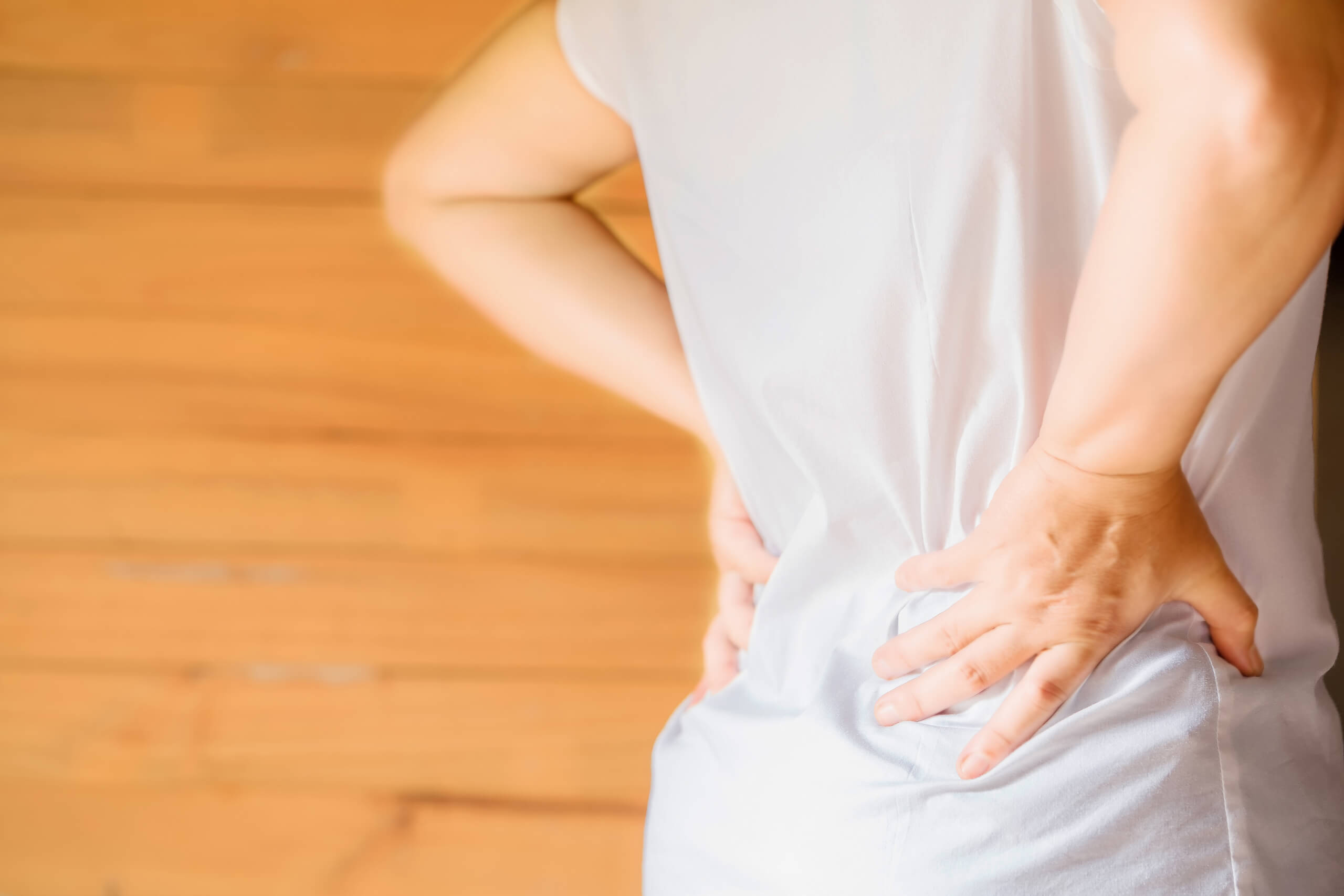
Symptoms of lumbar spine arthrosis are reflected in morning stiffness and worsen with physical activity, repetitive activities, and prolonged sitting.
Osteophytes (bone spurs) in the lumbar region are caused by sciatica, which manifests itself as a tingling sensation, numbness and burning pain radiating to the toes.
Arthrosis arises as a primary cause of degenerative changes in the spine or as a secondary cause of:
• Traumatic injuries (sports injury, car accident)
• Performing incorrect, repetitive movements (at work, etc.)
• Poor posture (incorrect distribution of forces acting on the body)
• Excessive weight, as it puts additional strain on the body's structures and accelerates degeneration processes.
• Genetic predisposition
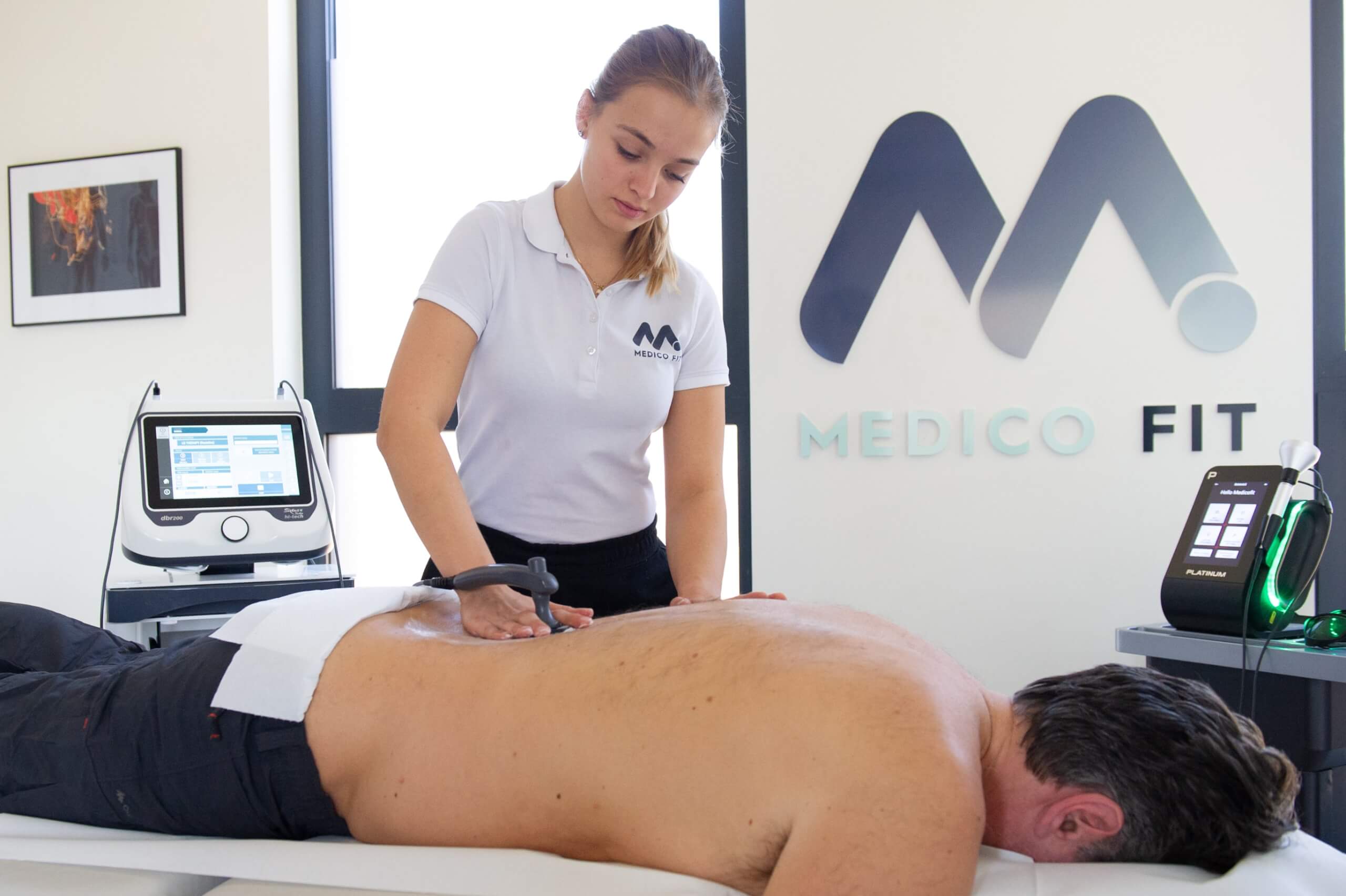
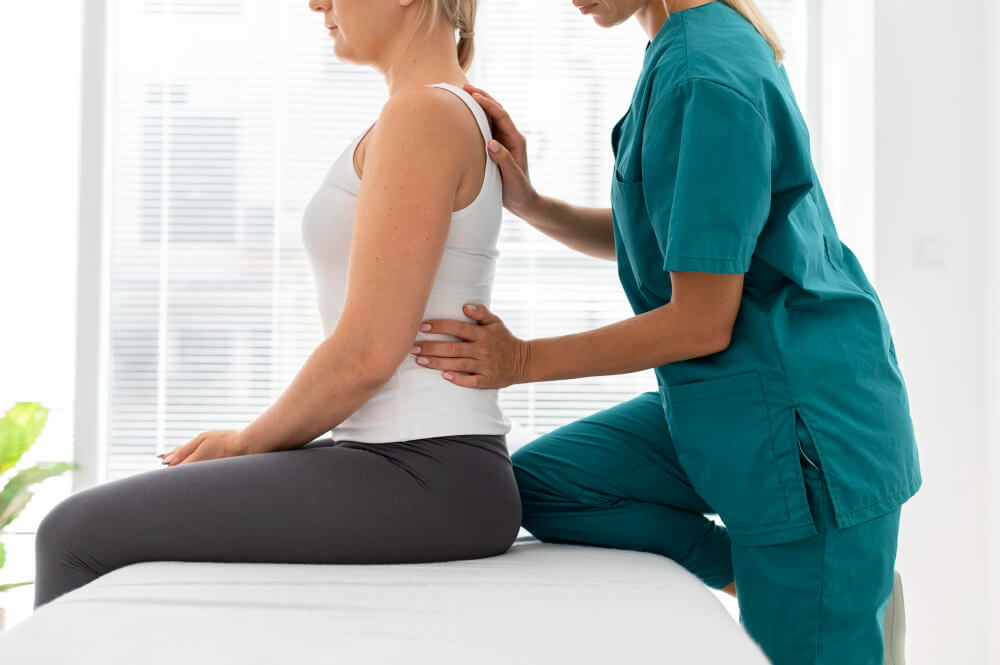
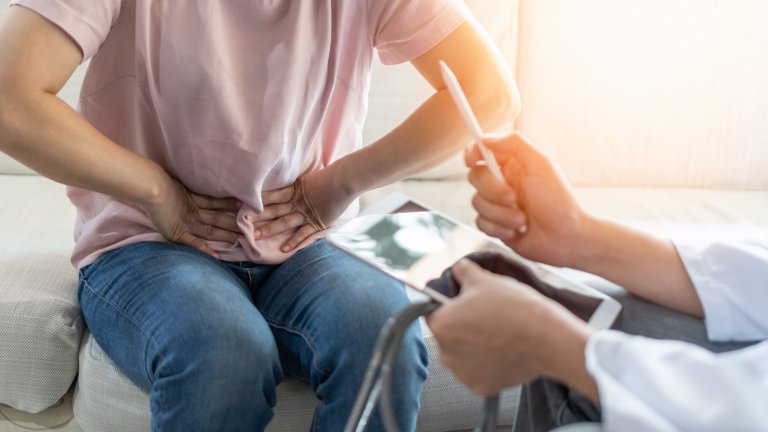
A diagnostic examination by a diagnostic physiotherapist helps to identify the cause of arthrosis and the symptoms that are reflected in the body. It then sets the guidelines for an individual physiotherapy programme.
The primary phase of physiotherapy treatment focuses on controlling of the symptomatology (pain, swelling) and reducing acute inflammation.
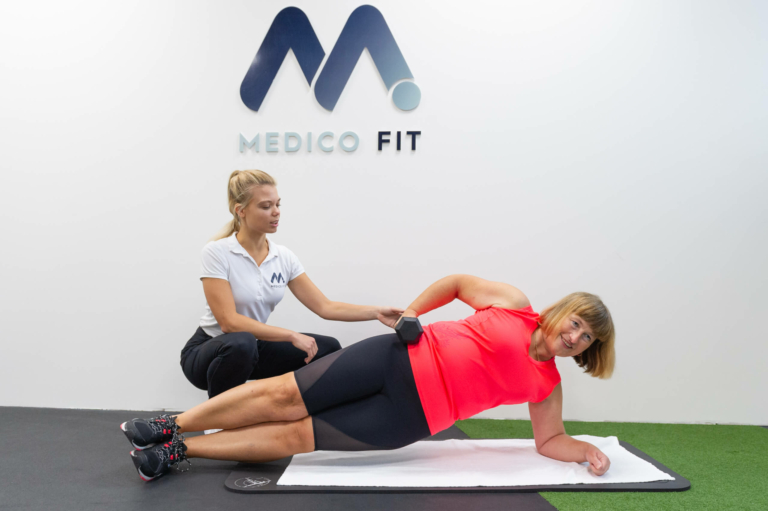
Specialised therapeutic exercise focuses on the load capacity of the spine and strengthening of the back muscles.
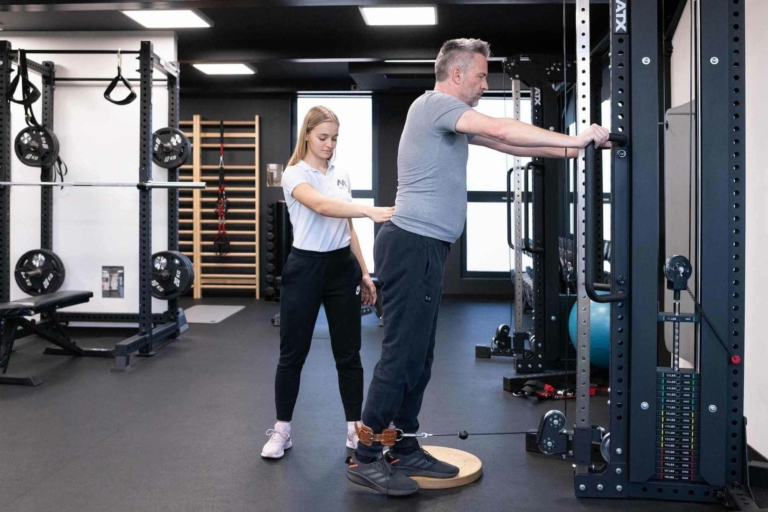
The kinesiology programme provides for a general strengthening of the body, maintaining functional movement patterns and participating in the prevention of new injuries.
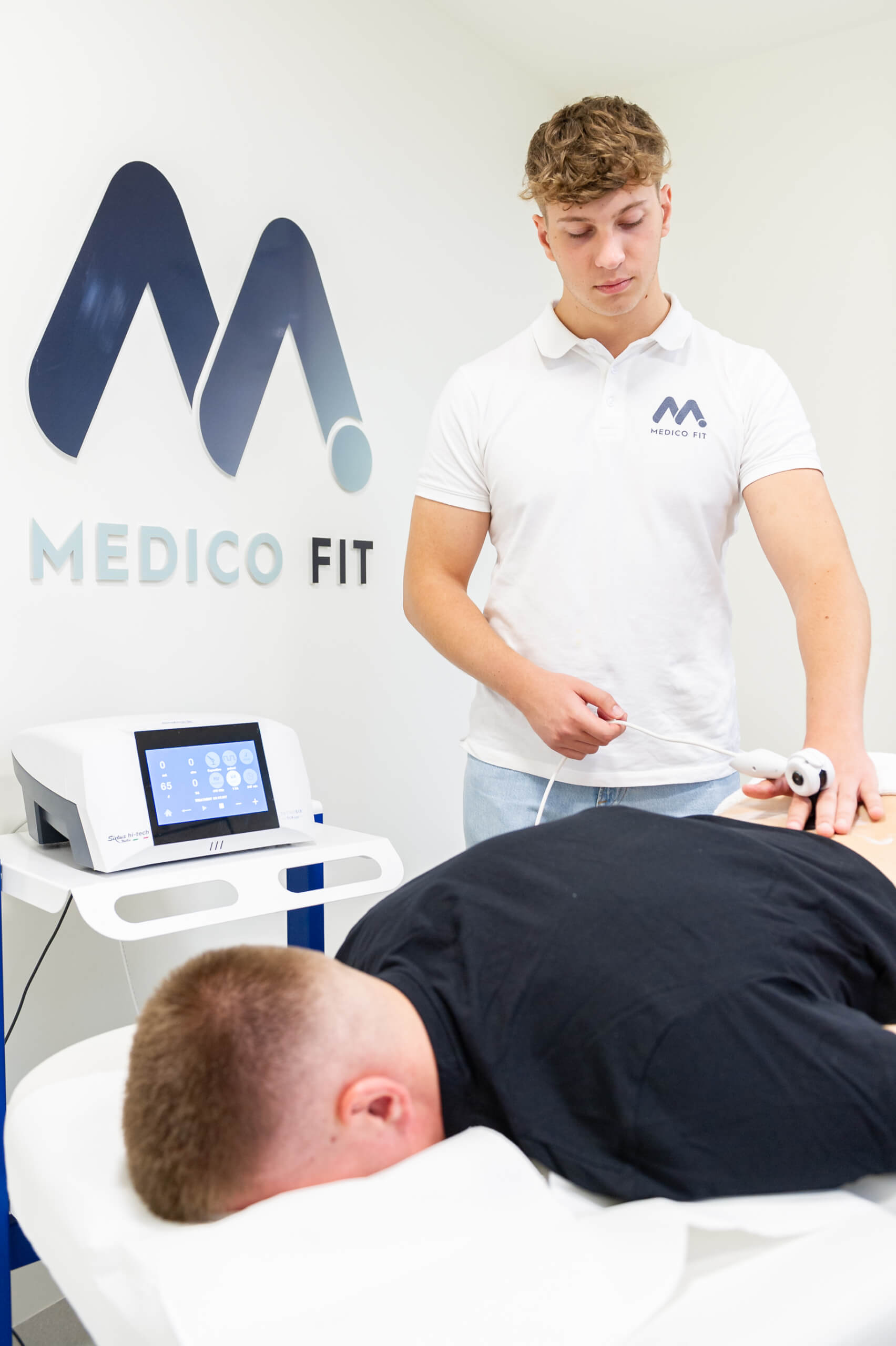
State-of-the-art technology such as PERISO therapy, TECAR therapy, LASER therapy and HiTOP electrotherapy are successful methods of physiotherapy treatment.
Excess weight is the cause of arthrosis, so in the first phase aerobic exercise is necessary, combined with an appropriate nutritional programme.
A key part of physiotherapy rehabilitation is patient education, which teaches the patient how to perform everyday movements correctly and how to maintain the functionality of their spine.
Untreated facet arthrosis causes chronic back pain, spinal stenosis, herniated disk, and spondylolisthesis
Early diagnosis and successful physiotherapy treatment stop the progress of the disease and control the symptoms.